Page 4 of 5
1 2 3 4 5
BLE Archives - Page 4 of 5 - BLE App Developers
BLE App Developers Navbar

Category: BLE

  • Unlocking the Power of BLE: How Bluetooth Low Energy is Transforming Connectivity

    In today’s hyper-connected world, seamless communication between devices has become a necessity. From wearables to smart homes, Bluetooth Low Energy (BLE) has emerged as the silent driver powering this transformation. But what exactly makes BLE such a game-changer? Let’s dive in.

    What is BLE?

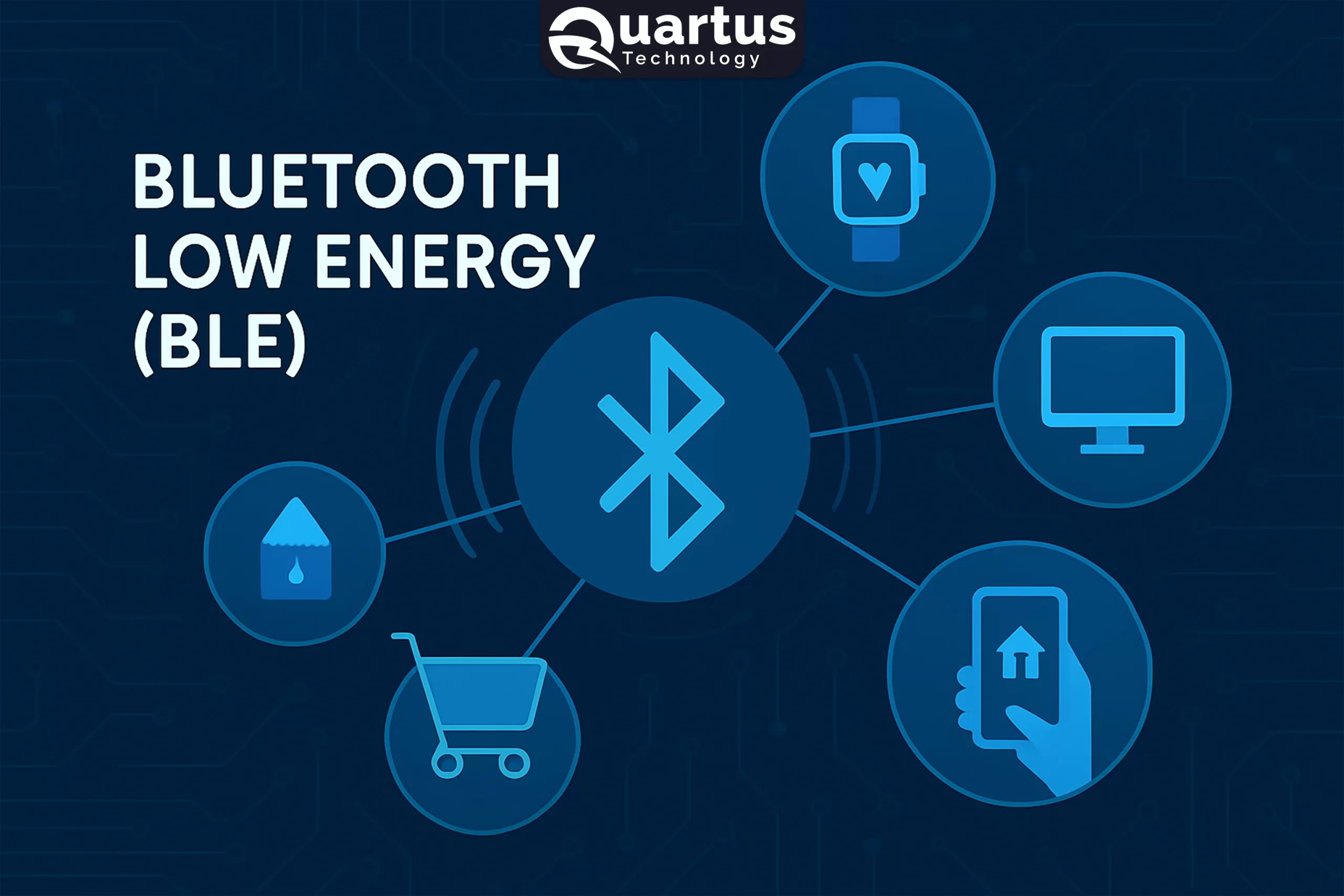
    Bluetooth Low Energy is a wireless communication technology designed for short-range connectivity with minimal power consumption. Unlike classic Bluetooth, BLE is built to handle small bursts of data while maximizing battery life, making it ideal for devices that need to run for months or even years without frequent charging.

    Why BLE Matters

    1. Energy Efficiency – Devices using BLE can run on tiny coin-cell batteries for extended periods.
    2. Cost-Effective – BLE chips are affordable and widely supported across smartphones and IoT devices.
    3. Scalable Applications – Whether you’re connecting a single smartwatch or thousands of sensors in a smart building, BLE adapts seamlessly.
    4. Wide Compatibility – Supported by almost all modern mobile devices, BLE ensures broad accessibility.

    Key Applications of BLE

    • Wearables & Fitness Devices: From smartwatches to heart-rate monitors, BLE ensures real-time tracking without draining your battery.
    • Smart Homes: BLE enables lights, locks, and appliances to connect efficiently, bringing automation to life.
    • Healthcare: Medical sensors and patient monitoring systems rely on BLE for accurate, continuous data transmission.
    • Retail & Proximity Marketing: BLE beacons power location-based offers and personalized customer engagement.
    • Industrial IoT: BLE streamlines asset tracking, predictive maintenance, and factory automation.

    The Future of BLE

    As the Internet of Things continues to grow, BLE is set to play a vital role in creating a more connected and energy-efficient world. With advancements like Bluetooth 5.0 and beyond, expect faster speeds, longer ranges, and greater device capacity, making BLE the backbone of next-generation connectivity.


    👉 Conclusion: BLE isn’t just about connecting devices—it’s about enabling smarter, more efficient ecosystems. From consumer gadgets to industrial networks, its impact is everywhere. If you’re exploring IoT solutions, BLE should be at the top of your technology stack.
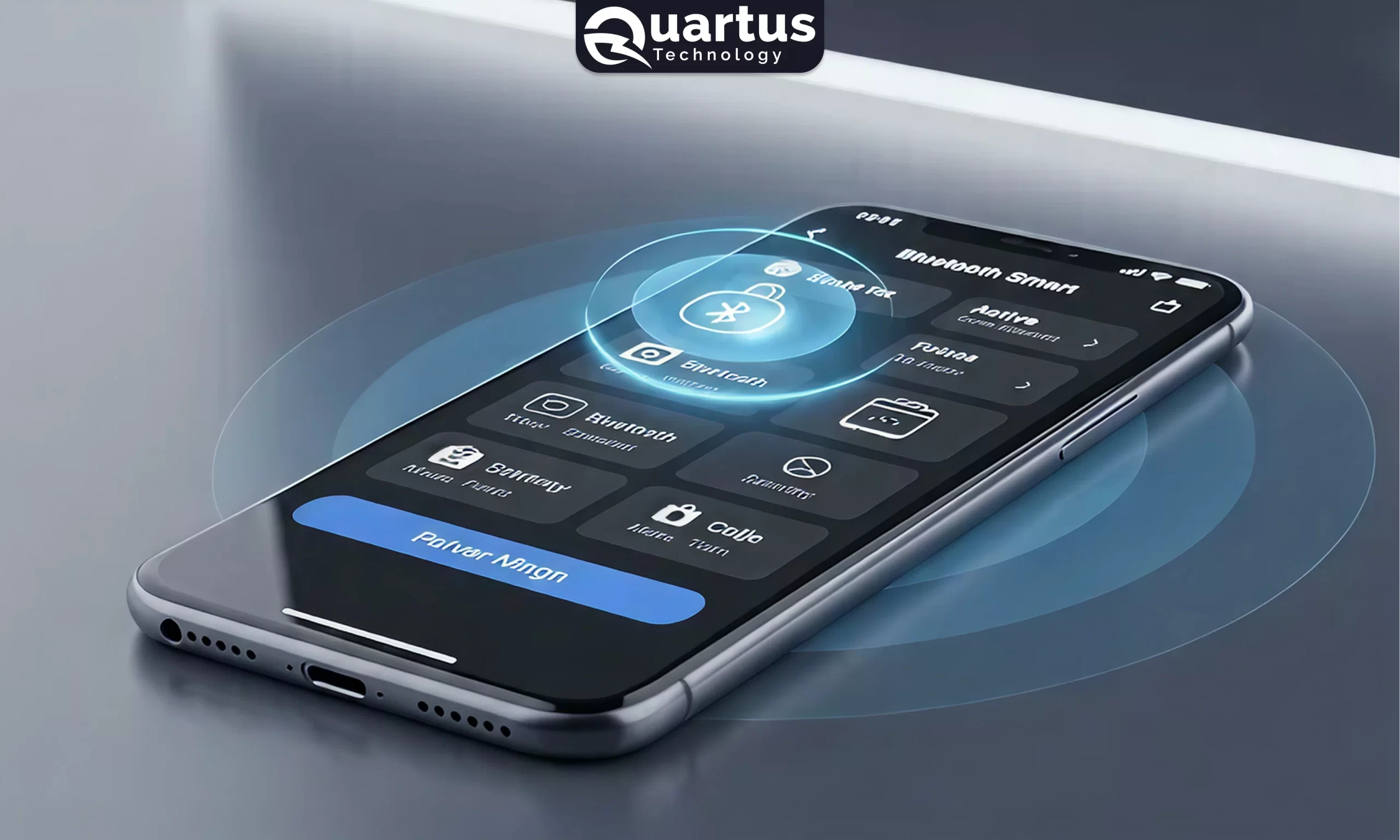
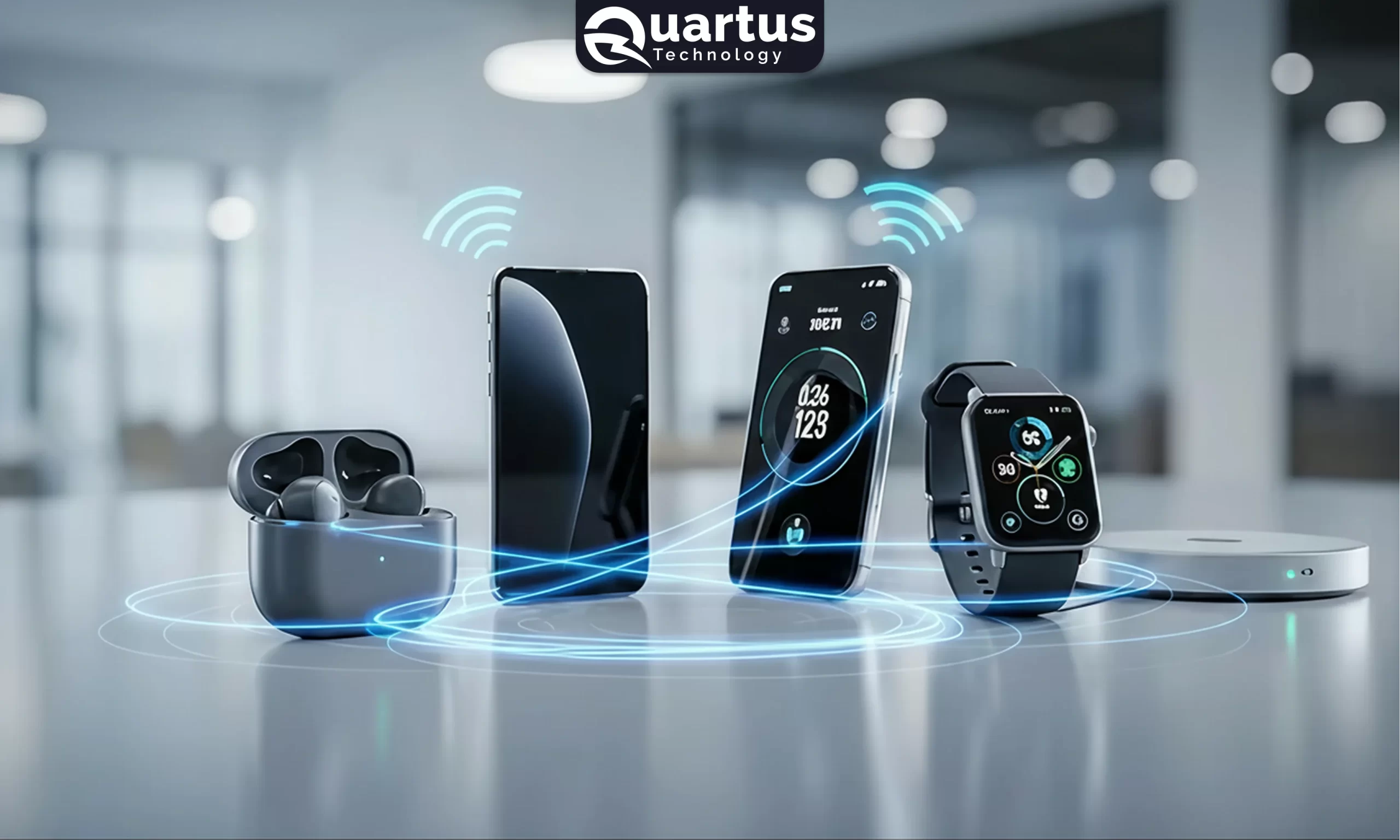
  • Designing Smarter with BLE: A Guide for Modern Product Designers

    Bluetooth Low Energy (BLE) has become one of the most important wireless technologies powering today’s connected devices. From smartwatches to healthcare monitors, BLE helps designers create solutions that are lightweight, energy-efficient, and future-ready. But for product designers, BLE isn’t just about connectivity—it’s about creating experiences that feel seamless, intuitive, and user-centered.

    Why BLE Matters in Design

    BLE was built with efficiency in mind. Unlike classic Bluetooth, it consumes minimal power while maintaining strong connectivity. This makes it perfect for IoT devices, wearables, and smart home products—areas where design and user experience matter just as much as technical performance.

    Key benefits for designers include:

    • Compact form factors: Small BLE modules fit perfectly in sleek, minimal hardware designs.
    • Long battery life: Users expect months of performance from a single charge.
    • Cross-platform compatibility: BLE works across smartphones, tablets, and other smart devices, ensuring wider adoption.

    Design Principles for BLE Devices

    When integrating BLE into a product, designers should focus on:

    1. User-Centric Approach – The end experience matters more than raw specs. For example, a fitness tracker should feel natural and deliver data effortlessly through BLE.
    2. Power Efficiency – Hardware and software must work together to balance performance with long battery life.
    3. Seamless Connectivity – Designing simple, intuitive pairing flows avoids frustrating user experiences.
    4. Aesthetic Integration – BLE modules should not compromise the product’s visual or ergonomic design.

    Challenges Designers Face

    • Complex Configurations: Designing for BLE requires considering signal range, data throughput, and interference.
    • Security Concerns: Protecting user data with encryption and secure connections is critical.
    • Evolving Standards: BLE continues to evolve with features like Bluetooth 5.3, demanding constant updates in design strategies.

    The Future of BLE in Design

    Looking ahead, BLE is set to power more contactless experiences, medical-grade wearables, and smart cities. Designers who understand both the technical possibilities and human-centered design principles will be at the forefront of innovation.

  • Unlocking the Power of BLE: The Future of Smart Connectivity

    In today’s hyper-connected world, seamless communication between devices has become more important than ever. From smartwatches that track our health to retail beacons that personalize shopping experiences, Bluetooth Low Energy (BLE) has quietly emerged as the backbone of modern wireless communication.

    What is BLE?

    BLE, short for Bluetooth Low Energy, is a wireless communication technology designed to transfer small amounts of data efficiently while consuming minimal power. Unlike traditional Bluetooth, which was built for constant, high-speed data streaming, BLE is optimized for applications that require low energy consumption and periodic data exchange.

    This makes BLE the go-to choice for IoT devices, healthcare wearables, smart home products, and location-based services.

    Why BLE is Transforming Industries

    1. Energy Efficiency
      Devices powered by BLE can run for months or even years on a single coin-cell battery. This makes it ideal for wearables like fitness trackers, medical sensors, and smart tags.
    2. Low-Cost Deployment
      BLE modules are affordable and easy to integrate, lowering the barrier for businesses to adopt connected solutions.
    3. Range & Flexibility
      BLE offers a range of up to 100 meters (depending on the environment), enabling applications from indoor navigation in malls to industrial asset tracking.
    4. Interoperability
      Since BLE is part of the Bluetooth 4.0+ standard, it works across billions of devices, ensuring smooth connectivity between smartphones, tablets, and IoT gadgets.

    Real-World Applications of BLE

    • Healthcare: Remote patient monitoring, blood glucose meters, and wearable ECG devices.
    • Retail: BLE beacons personalize in-store experiences by sending promotions or guiding customers.
    • Smart Homes: Connected locks, lights, and thermostats that respond instantly to user preferences.
    • Industrial IoT: Asset tracking, predictive maintenance, and warehouse management.

    The Future of BLE

    With the rise of 5G and IoT ecosystems, BLE continues to evolve. BLE 5.0 and beyond offer higher data transfer speeds, longer ranges, and improved mesh networking capabilities, making it a vital enabler for the smart cities of tomorrow.

    In short, BLE is more than just a wireless standard—it’s the foundation of next-generation connectivity, bringing intelligence, efficiency, and personalization into our daily lives.


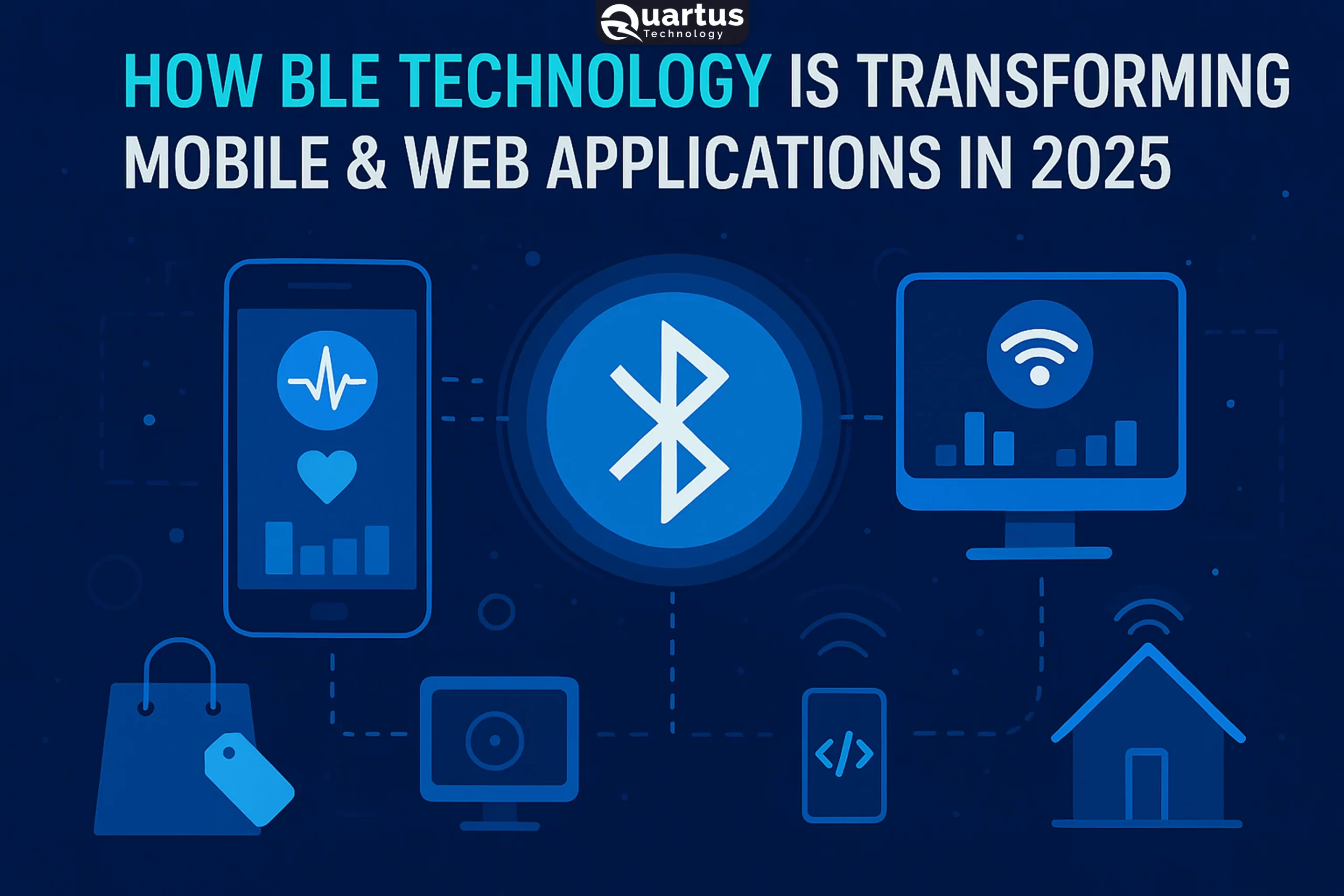
  • How BLE Technology is Transforming Mobile & Web Applications in 2025

    In today’s hyper-connected world, Bluetooth Low Energy (BLE) is no longer just a wireless communication standard—it’s a game-changer for businesses building next-generation mobile and web applications. From healthcare to retail, logistics to smart homes, BLE is revolutionizing the way devices interact, share data, and create seamless user experiences.

    🔹 What is BLE and Why Does it Matter?

    Bluetooth Low Energy (BLE) is a power-efficient version of traditional Bluetooth designed for continuous communication without draining battery life. Unlike classic Bluetooth, BLE enables devices to:

    • Run longer on small batteries
    • Connect instantly with minimal pairing
    • Transmit secure data packets over short ranges

    This makes BLE the backbone of modern IoT ecosystems and mobile-first experiences.

    🔹 Key Industries Leveraging BLE in 2025

    1. Healthcare & Fitness
      • BLE powers wearables like smartwatches, heart-rate monitors, and glucose trackers.
      • Real-time data syncing with mobile apps enables better patient monitoring and preventive care.
    2. Retail & Point of Sale (POS)
      • BLE beacons transform in-store shopping with personalized offers and easy payments.
      • Integration with POS applications ensures fast, contactless, and secure transactions.
    3. Logistics & Supply Chain
      • BLE asset trackers provide live updates on shipments, temperature monitoring, and warehouse automation.
      • Businesses gain real-time visibility, reducing losses and inefficiencies.
    4. Smart Homes & Enterprises
      • From door locks to lighting systems, BLE enables seamless device connectivity.
      • Enterprises leverage BLE for secure access control and energy management.

    🔹 BLE in Mobile & Web Development

    For developers, BLE opens endless possibilities:

    • Mobile Apps: BLE APIs allow real-time communication with IoT devices, healthcare gadgets, and POS machines.
    • Web Applications: Progressive Web Apps (PWAs) now integrate BLE for browser-based device interaction.
    • Cross-Platform Solutions: Frameworks like Flutter and React Native support BLE, making development faster and scalable.

    🔹 The Future of BLE: Smarter, Faster, More Secure

    In 2025 and beyond, BLE will continue to evolve with:

    • Bluetooth 5.4: Higher data rates, longer range, and stronger encryption.
    • AI + BLE: Smarter analytics and predictive insights from connected devices.
    • Edge Computing: BLE devices processing data locally for faster, privacy-focused applications.

    ✅ Final Thoughts

    BLE is no longer optional—it’s essential. Businesses that embrace BLE-powered applications gain a competitive edge with smarter user experiences, real-time insights, and energy-efficient connectivity.

    At BLE Solutions, we help businesses design, develop, and integrate BLE-enabled web and mobile applications that transform ideas into impactful digital solutions.

  • How Bluetooth Low Energy (BLE) is Transforming Connectivity

    The digital world is evolving at a pace where connectivity and efficiency go hand in hand. Businesses and consumers no longer just want devices that connect—they want them to connect smarter, faster, and with minimal energy use. This is exactly where Bluetooth Low Energy (BLE) comes in, redefining how devices communicate and paving the way for a connected future.

    What Makes BLE Different?

    Unlike traditional Bluetooth, which was created for high-data and continuous transfers, BLE was built with efficiency at its core. It uses short data packets and consumes significantly less energy, making it a perfect fit for devices that need to run for months or even years without frequent charging.

    In simple terms, BLE delivers wireless power without draining power.

    Why BLE Matters for Businesses

    1. Energy Efficiency – Devices powered by BLE consume up to 10x less energy than classic Bluetooth.
    2. Cost-Effective Integration – BLE chips are lightweight and affordable, helping businesses scale faster.
    3. Massive Device Support – BLE is universally supported by smartphones, tablets, and wearables, ensuring accessibility.
    4. Enhanced Security – Advanced encryption protects data, which is crucial in healthcare, retail, and finance.
    5. Scalability – From a single smart device to a full IoT ecosystem, BLE can adapt to any scale.

    Real-World Use Cases of BLE

    • Retail Engagement: BLE beacons personalize shopping experiences with location-based offers and navigation.
    • Healthcare Monitoring: Wearables and BLE-enabled devices track vital signs and support remote care.
    • Smart Cities: BLE sensors enhance traffic management, parking systems, and public safety.
    • Fitness & Wearables: Step counters, smartwatches, and trackers rely on BLE for real-time updates.
    • Industrial IoT: BLE streamlines asset tracking, equipment monitoring, and predictive maintenance.

    The Future of BLE

    With the introduction of Bluetooth 5.0 and beyond, BLE is becoming even more powerful. Expect longer ranges, faster speeds, improved location accuracy, and stronger mesh networking capabilities. This makes BLE not just a technology of today, but the backbone of tomorrow’s connected ecosystem.


    Conclusion: BLE is more than a communication protocol—it’s the silent engine driving the Internet of Things (IoT). Whether in homes, hospitals, or cities, BLE is enabling smarter solutions with lower costs and higher efficiency. Businesses that embrace BLE today are preparing themselves for a future-ready digital landscape.

  • The Rise of BLE in 2025: Connecting the World, One Device at a Time

    As technology continues to evolve, the need for fast, reliable, and energy-efficient wireless communication has become more important than ever. Bluetooth Low Energy (BLE) has emerged as the backbone of the connected ecosystem, powering everything from smart homes to healthcare wearables and industrial IoT solutions.

    Why BLE Is Dominating in 2025

    BLE isn’t just another wireless standard—it’s a foundation for innovation. Here’s why it’s leading the way:

    • Ultra-Low Power Consumption – Devices run longer on a single charge or small battery, making them perfect for wearables and sensors.
    • Seamless Connectivity – BLE ensures fast, secure connections between devices without draining resources.
    • Wide Industry Adoption – From retail beacons to medical equipment, BLE is trusted across sectors.
    • IoT-Ready – BLE is built to support the ever-growing Internet of Things ecosystem.

    Real-World Applications of BLE

    1. Smart Healthcare – BLE enables fitness trackers, glucose monitors, and heart-rate sensors to deliver real-time health insights.
    2. Retail Innovation – BLE-powered beacons guide customers inside stores, push personalized offers, and enhance in-store navigation.
    3. Smart Homes – From smart locks to connected lighting systems, BLE is transforming everyday living.
    4. Industrial IoT – Manufacturers use BLE sensors to monitor equipment, reduce downtime, and boost efficiency.
    5. Contactless Payments & Access Control – BLE makes secure, frictionless transactions and smart access possible.

    The Future of BLE

    As 5G, AI, and IoT expand, BLE will continue to be the invisible thread weaving devices together. We can expect:

    • Smarter cities powered by BLE-enabled infrastructure.
    • Next-gen wearables with medical-grade accuracy.
    • Stronger integration with AI for predictive insights and automation.

    Final Thoughts

    BLE is more than just a communication protocol—it’s the heartbeat of the connected world. As businesses and consumers demand smarter, faster, and more sustainable solutions, BLE will continue to lead the way.

    If your business wants to leverage BLE for innovation, now is the time to act.

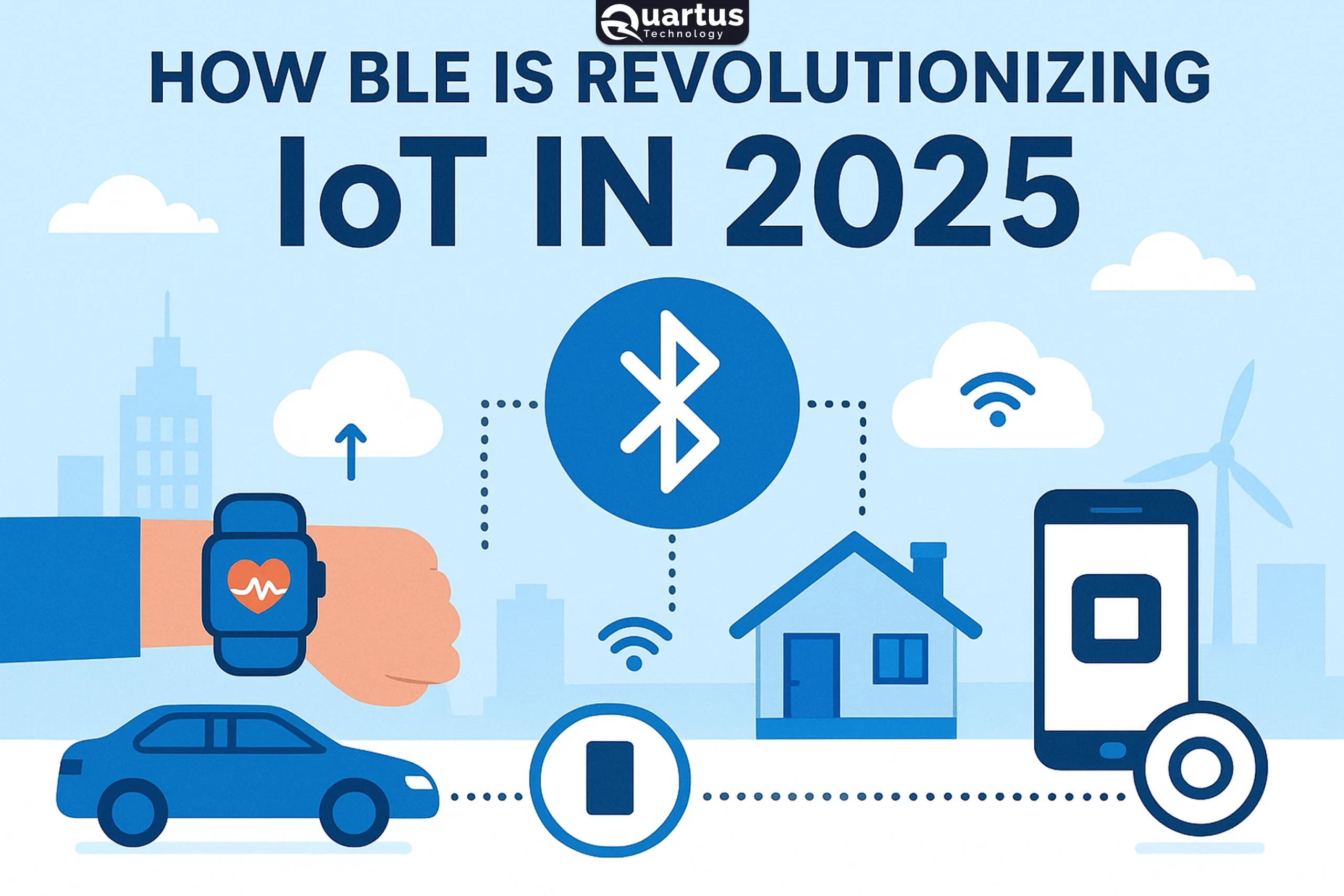
  • How BLE Is Revolutionizing IoT in 2025

    The Internet of Things (IoT) has become the backbone of the modern digital economy. From smart homes and connected cars to industrial automation and healthcare innovations, IoT is everywhere. But powering this massive wave of connectivity is a technology that often goes unnoticed: Bluetooth Low Energy (BLE).

    BLE: The Silent Hero of IoT

    Unlike traditional Bluetooth, BLE was designed for minimal energy consumption without compromising on performance. Devices can stay connected and exchange data continuously—while running on tiny batteries for months or even years. This efficiency makes BLE the perfect fit for the explosive growth of IoT devices.

    Why BLE Is Transforming IoT

    • Scalability at Scale – BLE supports massive IoT ecosystems, from smart factories to connected cities.
    • Energy Efficiency – Critical for IoT devices that can’t be charged frequently.
    • Seamless Integration – Works effortlessly with smartphones, wearables, and edge devices.
    • Low Cost, High Value – Affordable implementation makes IoT more accessible.

    Real-World Applications in 2025

    1. Smart Cities – BLE-enabled sensors monitor traffic, air quality, and utilities.
    2. Healthcare – Hospitals use BLE medical devices for real-time patient monitoring.
    3. Retail – BLE beacons drive hyper-personalized customer experiences and streamline inventory management.
    4. Logistics – BLE trackers improve fleet management, package tracking, and supply chain visibility.
    5. Home Automation – Smart locks, lights, and appliances use BLE for secure and efficient control.

    BLE + Edge + AI = The Future

    BLE becomes even more powerful when combined with edge computing and artificial intelligence. Devices don’t just collect data—they analyze it instantly, act on it in real time, and adapt intelligently. For example, BLE-powered wearables can detect anomalies in heart rate and alert users immediately, without waiting for cloud processing.

    The Road Ahead

    In 2025, as IoT adoption accelerates, BLE is emerging as the connectivity standard of choice. Its low power, high efficiency, and seamless integration make it the driving force behind the connected future.

    👉 BLE isn’t just powering devices—it’s powering the IoT revolution.

  • Why BLE (Bluetooth Low Energy) Is Powering the Future of Connected Devices

    In a world where devices are becoming smarter, faster, and more interconnected, Bluetooth Low Energy (BLE) has emerged as the invisible force behind innovation. From fitness trackers and wireless earbuds to healthcare monitors and industrial sensors, BLE is shaping the way we interact with technology — seamlessly and efficiently.

    🔋 What Makes BLE Different?

    Unlike traditional Bluetooth, BLE is designed for low power consumption without compromising performance. This makes it ideal for devices that need to run on small batteries for months or even years. Imagine a wearable that tracks your health 24/7 or a smart lock that works for years without frequent charging — that’s the power of BLE.

    🌍 Everyday Applications of BLE

    1. Wearables & Fitness Devices – Smartwatches, step trackers, and health monitors rely on BLE to send real-time data without draining batteries.
    2. Healthcare – BLE enables remote monitoring devices, allowing doctors to keep track of patients’ vitals from anywhere.
    3. Smart Homes – From lights and locks to thermostats and sensors, BLE ensures your smart home stays connected and efficient.
    4. Industrial IoT – BLE-powered sensors help industries monitor equipment, reduce downtime, and improve productivity.
    5. Retail & POS – BLE beacons enhance shopping experiences with personalized offers, seamless checkouts, and contactless payments.

    🚀 Why Businesses Are Choosing BLE

    • Energy Efficient – Perfect for battery-operated devices.
    • Reliable Connectivity – Stable wireless communication even in dense environments.
    • Cost-Effective – BLE modules are affordable and widely available.
    • Scalable – From a single device to an entire ecosystem, BLE grows with your needs.

    🔗 BLE: Building a Smarter Tomorrow

    The future of connected devices depends on technologies that balance performance, energy efficiency, and user experience. BLE ticks all the boxes. Whether it’s healthcare, retail, enterprise, or smart living — BLE is at the heart of it all.

  • Bluetooth Low Energy (BLE) Security & Privacy: A Complete 2025 Guide

    In 2025, Bluetooth Low Energy (BLE) has become the backbone of connected devices—from smartwatches and fitness trackers to healthcare monitors, asset tracking systems, and industrial IoT solutions. But as BLE adoption grows, so do security and privacy challenges.

    For businesses, developers, and product designers, ensuring data protection and secure device communication is no longer optional—it’s essential. In this guide, we break down the latest BLE security practices and privacy safeguards shaping the future of wireless connectivity.


    Why BLE Security Matters More Than Ever

    With billions of BLE-enabled devices in circulation, vulnerabilities can have massive consequences. Poorly protected devices are easy targets for:

    • Eavesdropping – Attackers intercepting data during communication.
    • Man-in-the-Middle (MITM) Attacks – Unauthorized parties altering or injecting messages.
    • Tracking Risks – Exploiting static MAC addresses to monitor user movement.

    As a result, modern BLE solutions must integrate robust encryption, smarter pairing methods, and stronger privacy controls.


    Key BLE Security Enhancements in 2025

    🔐 1. LE Secure Connections

    BLE now relies on Elliptic Curve Diffie-Hellman (ECDH) for key exchange, ensuring encryption keys cannot be intercepted. This makes device-to-device communication significantly harder to compromise.


    🔑 2. Advanced Pairing Methods

    BLE devices use several pairing approaches, each designed for different use cases:

    • Just Works – Fast and simple, but least secure (no MITM protection).
    • Passkey Entry – Users confirm a 6-digit code for higher security.
    • Numeric Comparison – Both devices display a number, and the user verifies if they match.

    By selecting the right pairing method, developers can balance user convenience with security strength.


    🛡️ 3. Privacy Through MAC Address Randomization

    Instead of broadcasting a fixed MAC address, modern BLE devices use address randomization. This prevents third parties from tracking users across different locations, protecting user anonymity and movement patterns.


    📉 4. Minimizing Advertising Data

    BLE devices often broadcast data packets to announce their presence. However, the more data included, the easier it is to exploit.
    In 2025, best practice is to minimize advertising payloads, sharing only the essentials.


    Best Practices for BLE Developers

    If you’re building or deploying BLE-powered solutions, here’s how to stay ahead:

    • Always use LE Secure Connections by default.
    • Choose Passkey Entry or Numeric Comparison for sensitive apps (healthcare, fintech, IoT security).
    • Enable MAC address randomization to protect user privacy.
    • Keep advertising data lightweight and encrypted where possible.
    • Regularly update firmware to patch security vulnerabilities.

    Final Thoughts

    BLE continues to drive innovation in IoT, healthcare, retail, and smart environments, but without strong security and privacy, connected devices can quickly become a liability.

    At QuartusTech, we help businesses design and deploy secure, scalable, and user-friendly BLE applications that comply with global standards and protect customer trust.

    💡 Looking to build a BLE-powered app with enterprise-grade security? Get in touch with our experts today.

  • Unlocking the Power of Bluetooth Low Energy (BLE): The Future of Wireless Connectivity

    In today’s hyper-connected world, smart devices are everywhere — and at the core of many of them is Bluetooth Low Energy (BLE). Whether it’s your smartwatch tracking steps, a smart lock on your front door, or a sensor monitoring equipment in a factory, BLE is the technology keeping them running smoothly — and efficiently.

    But what exactly is BLE, and why is it becoming the go-to choice for modern wireless communication?


    What is BLE?

    Bluetooth Low Energy (BLE) is a wireless communication technology built for low power consumption. Unlike classic Bluetooth, which was designed for continuous data streaming (like music), BLE is optimized for sending small bits of data quickly while using minimal energy.

    This makes it perfect for battery-powered devices that need to stay connected without constant recharging.


    Why BLE? — The Key Advantages

    • 🔋 Ultra Low Power
      BLE devices can run for months — or even years — on a single coin-cell battery.
    • Fast & Efficient
      Quick device pairing and data transfer make BLE ideal for time-sensitive applications.
    • 💰 Cost-Effective
      BLE modules are affordable and easy to integrate into a wide range of products.
    • 📱 Cross-Platform Compatibility
      BLE is supported by all major operating systems (iOS, Android, Windows), ensuring seamless connectivity across devices.

    Real-World Applications of BLE

    1. Smart Home Devices
    Control lighting, locks, and thermostats with low-power BLE modules that connect instantly and reliably.

    2. Wearables & Healthcare
    From fitness trackers to heart rate monitors, BLE allows health data to be transmitted securely and in real time.

    3. Industrial IoT
    Monitor equipment performance, track assets, and automate processes with BLE-powered sensors.

    4. Retail & Proximity Marketing
    BLE beacons help businesses deliver targeted promotions and guide users through indoor spaces.


    The Future is Low Energy

    As IoT continues to grow, BLE will be even more important. Its ability to balance performance, power efficiency, and cost makes it the smart choice for businesses building the next generation of connected products.